This assignment was reverse-engineered from a project description in issue #2 of “Ulm” (1958), the magazine of the Ulm School of Design. The short article describes a team-writing experiment, that was broadcast as a radio-play.
Make comprehensive preparatory studies in order to shape exactly the characters of the play.
Compose detailed biographies, diaries, letters, dreams, and scenes of everyday life of the characters.
I was inspired by my conversation with Sam Jacob and adapted a framework he’s used in the writing classes he’s taught. For the first half of the class, the students had to bring in a single object, that cost no more than $30, to write about. Each week, they wrote about their object through a different lens: aesthetic/formal qualities, historical and contextual, and finally ideological. We weren’t too interested in voice yet, just how to talk about these objects and what they can tell us about design, culture, economics, etc. In the second half of the class, we used what we learned and added a variety of writing tricks to them: thinking about voice and tone, how can we play with structure, tell a new story. Throughout the semester, I was continually impressed with what the students brought — they took these objects they didn’t think they could write about and suddenly we were talking about immigration, class, identity, race, sustainability… It was so fun.
An assignment by Inge Druckrey, described in the movie “Teaching to See” (minutes 7:04 to 8:30):
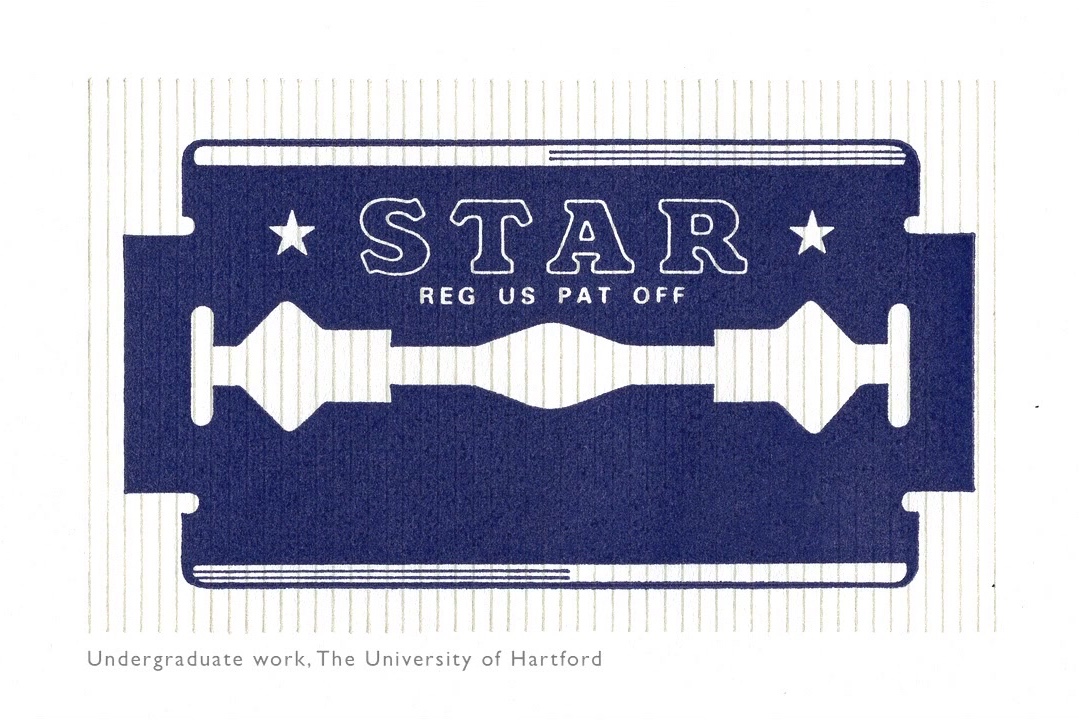
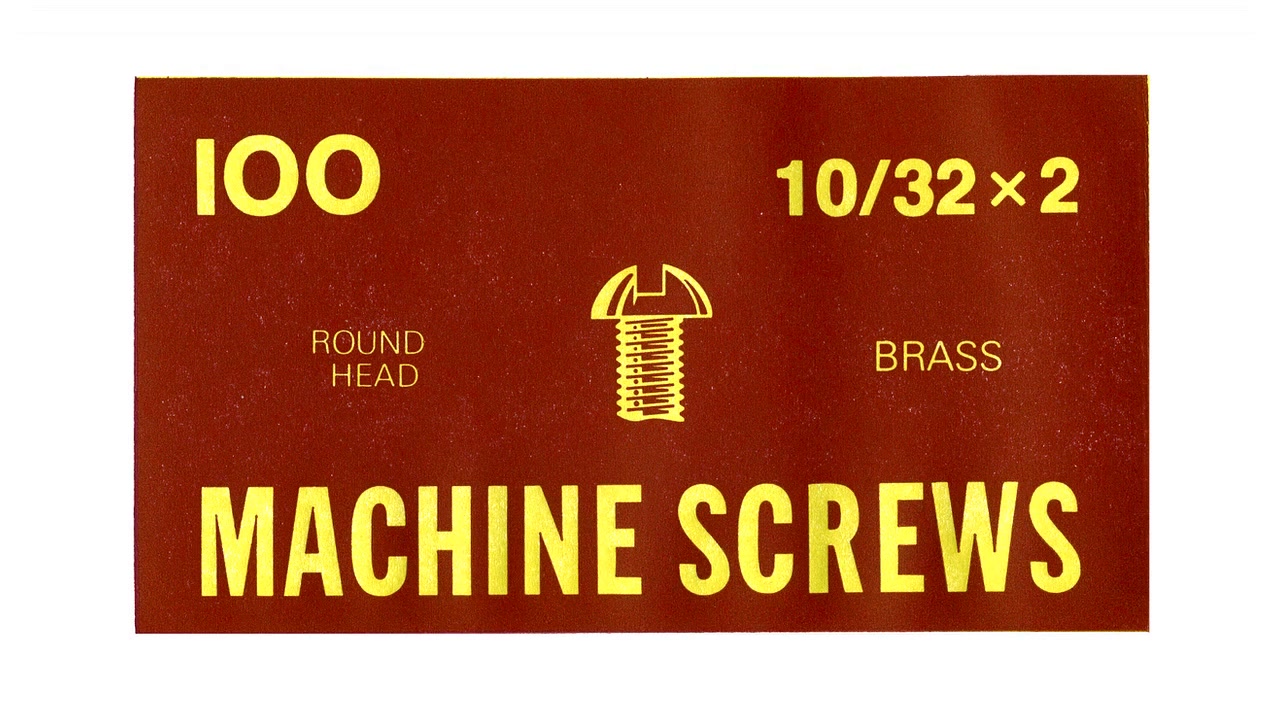
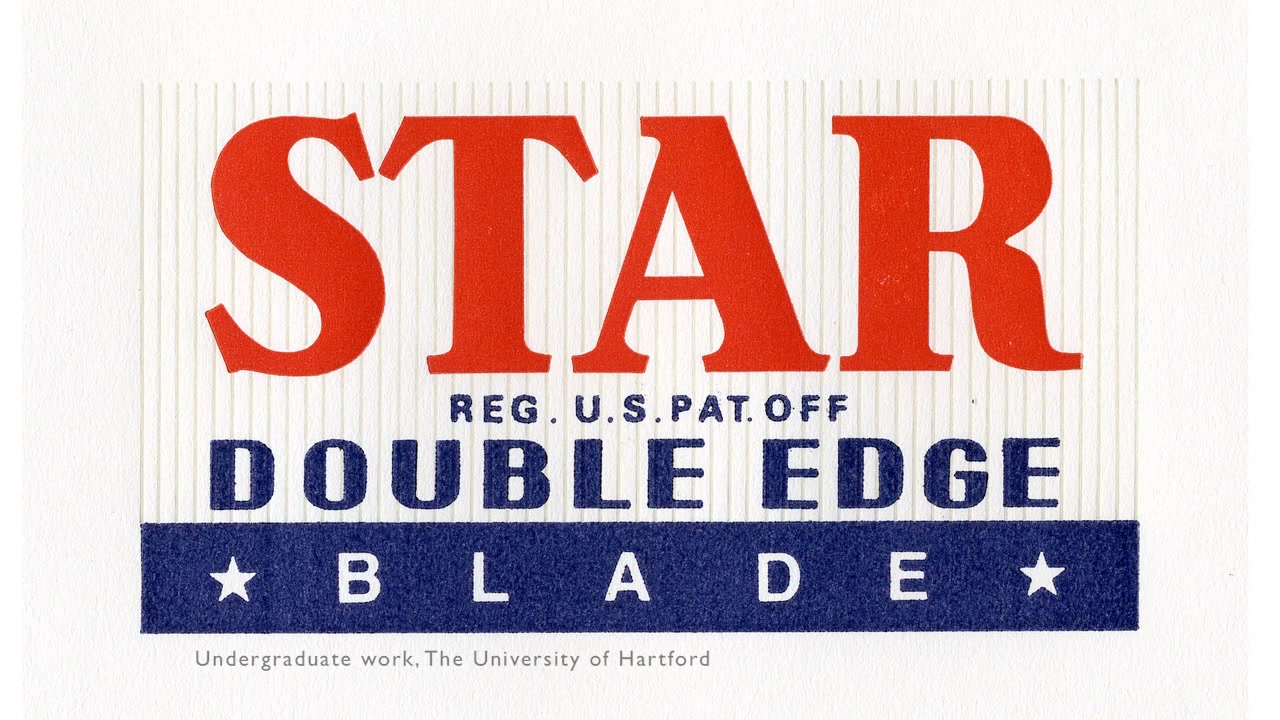
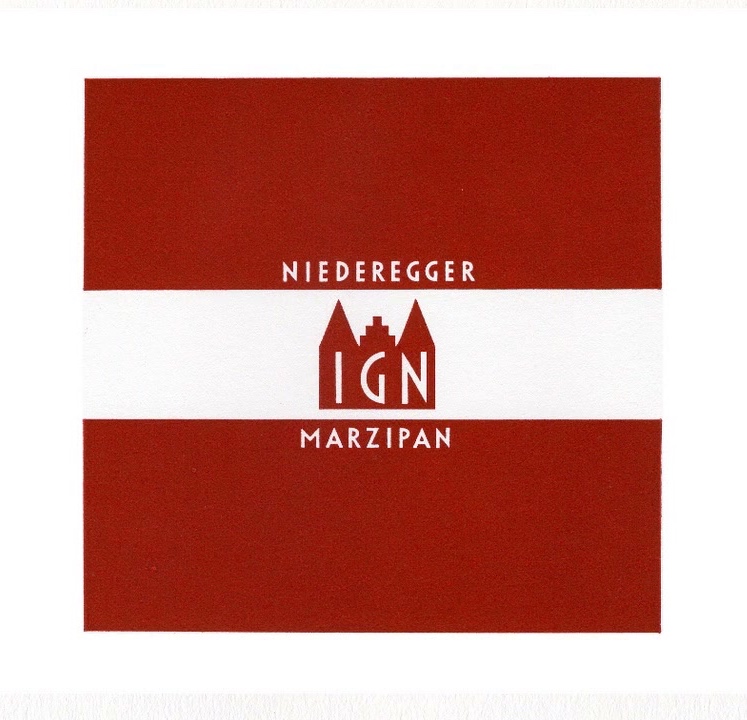
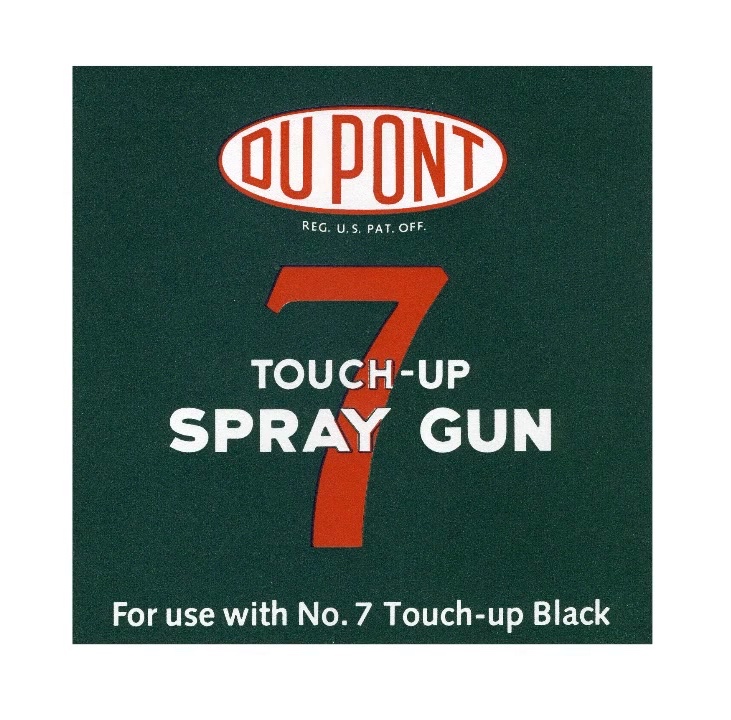
I had collected over time some beautiful old labels. So I distributed them among the students, and asked them to create a new edition. They had to:
recreate the letters on the label.
draw any image that appeared on the label.
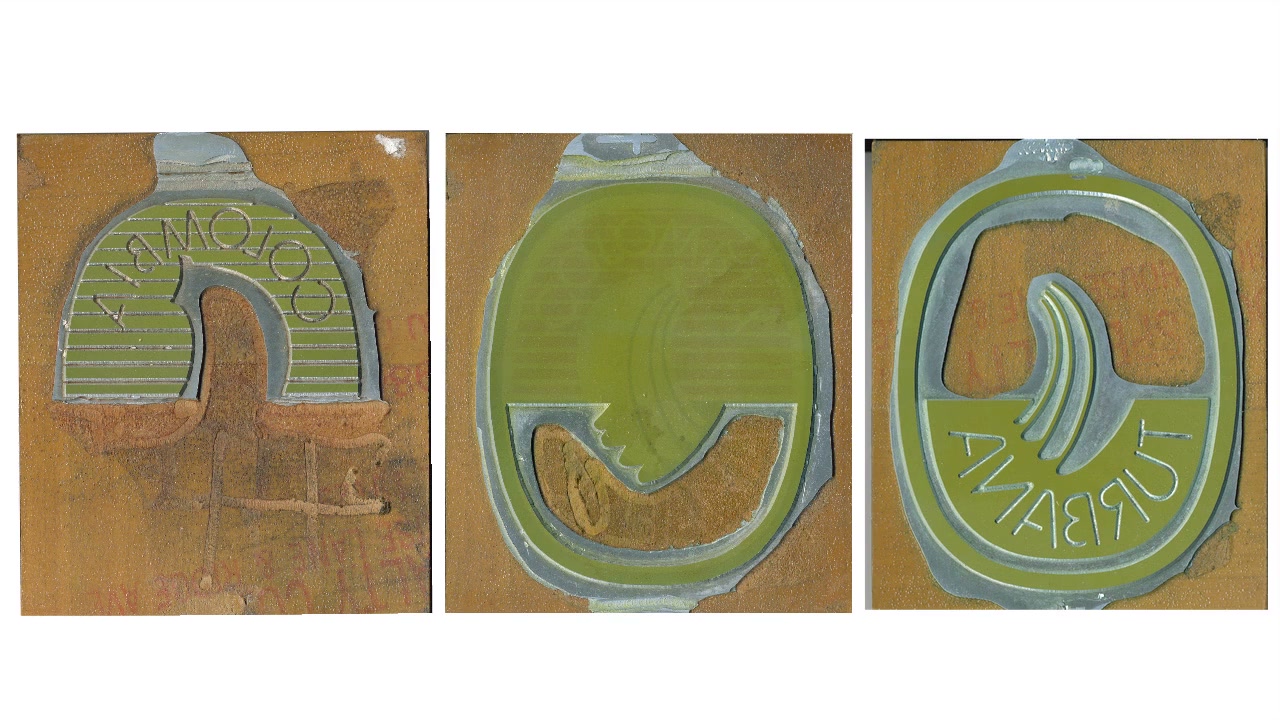
prepare color-separation to have hot metal plates done.
mix the ink.
print the labels in proper registration on a small letter press.
So they learned about designing letters, they matched the letters on the original label, they designed the marks from scratch, carefully matching the same quality. They learned about color separation, how to get the individual colors on separate hot metal plates, about ink mixing, and the printing itself.
And the students loved the project, because it had a clear goal.
Note: the assignment was done before computers became available.
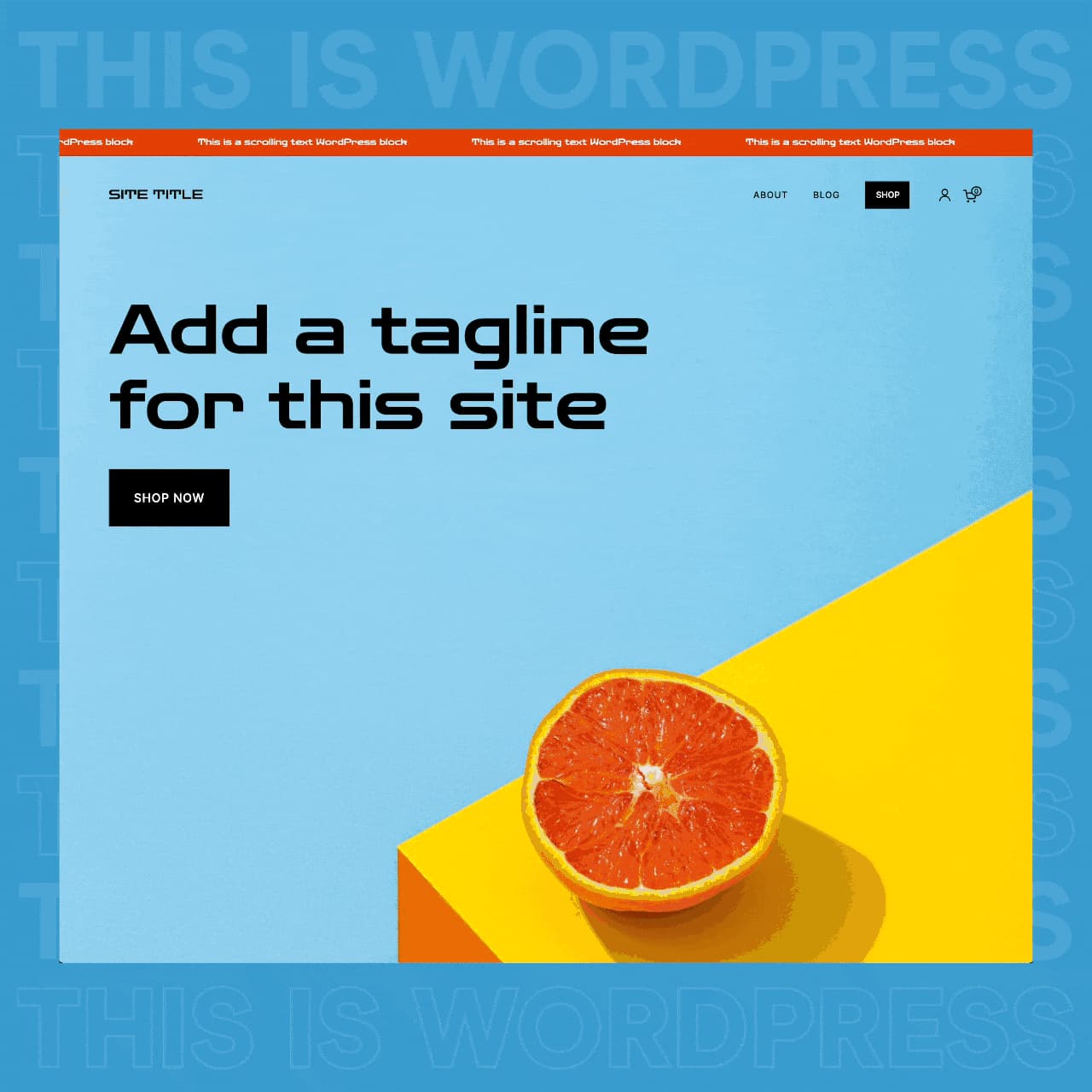
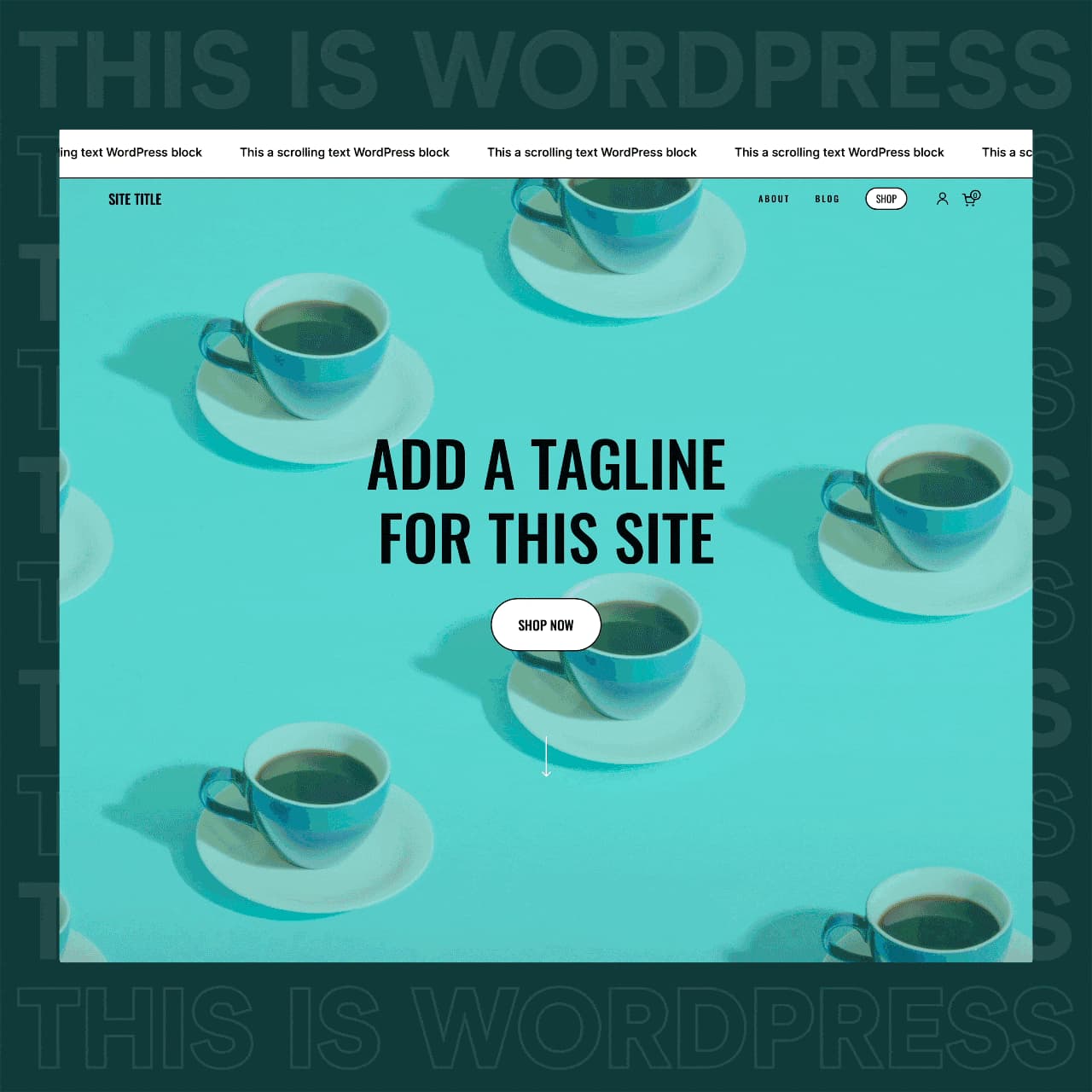
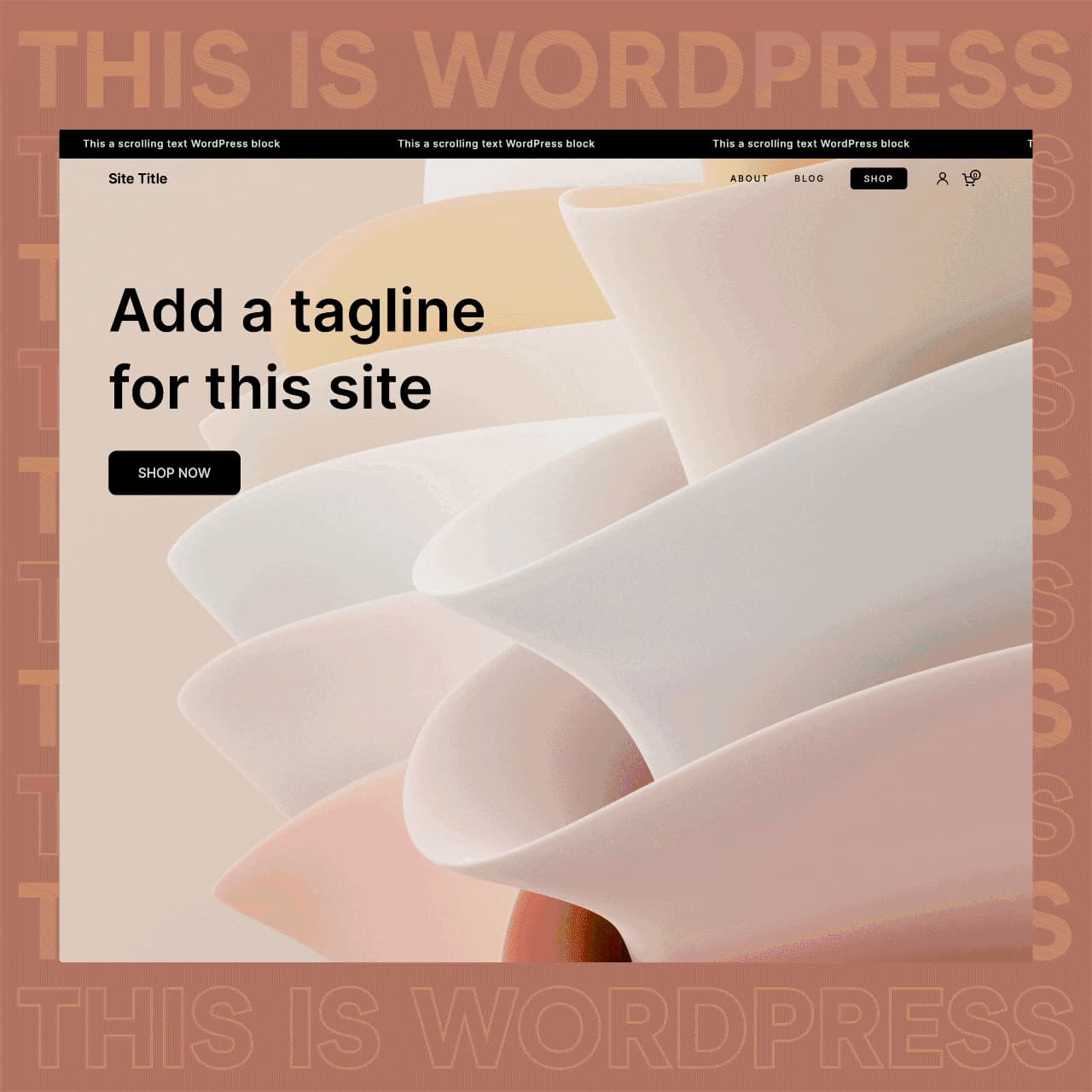
This assignments is based on a blog post by WordPress theme designer Rich Tabor: Exploring WordPress as a design tool (December 2022). Rich writes:
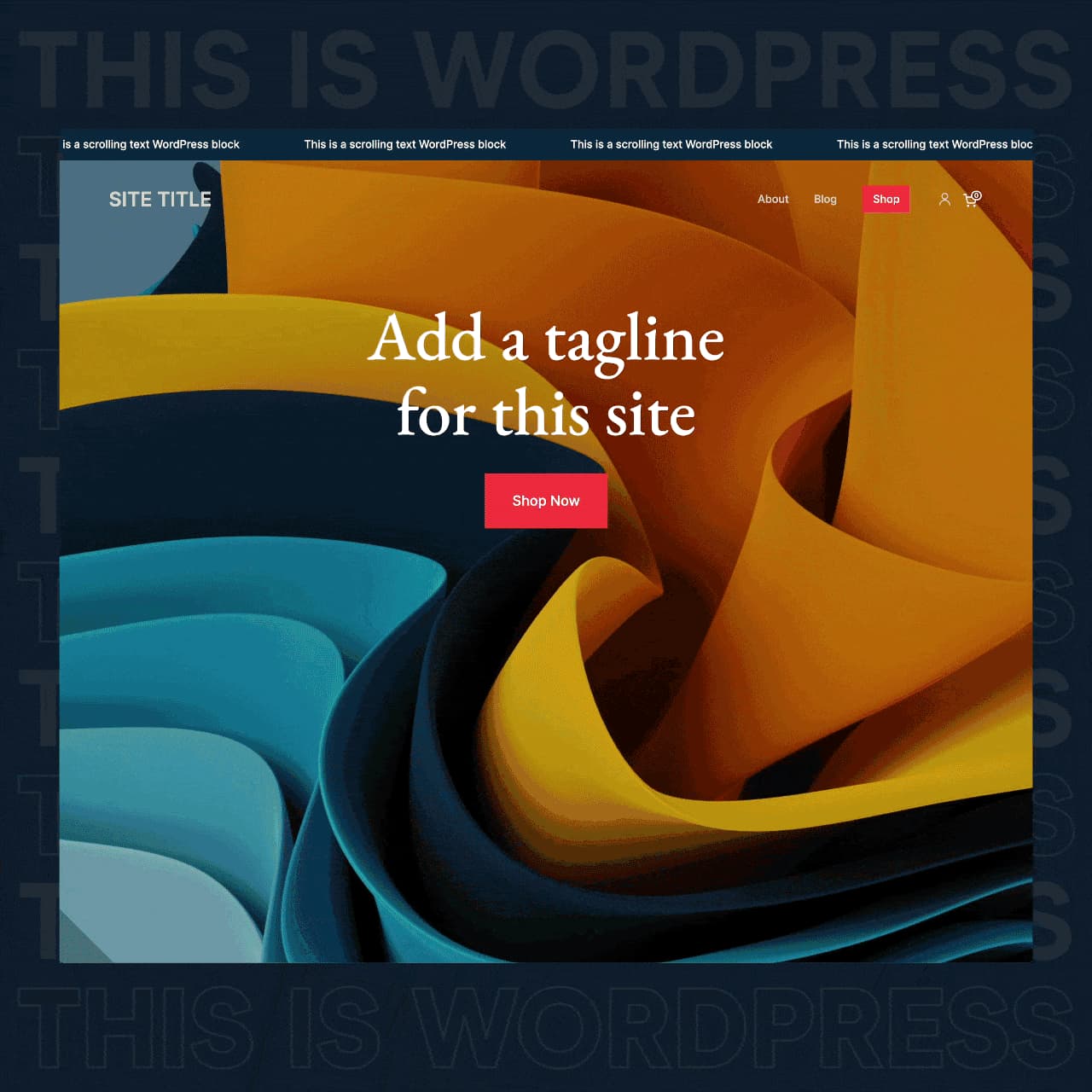
Last week I challenged myself to take one pattern, from one theme, and morph it multiple times — only using the design controls block editor. It’s kind of like CSS Zen Garden, but without CSS — just out-of-the-box WordPress block design tooling.
One theme. One pattern. Seven ways. No additional blocks, nor custom CSS between scenes — just designing in the good ol’ WordPress block editor.
Every font family/size, color, border, radius, image, video, and spacing value were are all added in-editor.
An assignment by David Reinfurt, in his 2022 course in the Visual Arts Program at Princeton University, “Gestalt“:
Design an animated graphic that means “Wait.”
The result is an animation designed for an electronic screen. Read more detail on the dedicated website. This assignment is also featured in Reinfurt’s 2019 book “A New Program for Graphic Design” (p. 133).
In Reinfurt’s 2019 book “A New Program for Graphic Design”, the “Stop” assignment is broadened by including also a “Go” sign.
As with the Stop sign, the Go sign must not rely on symbolic, graphic, or literal conventions. The Go sign will be directly related to, and dependent on, the form of the Stop sign.
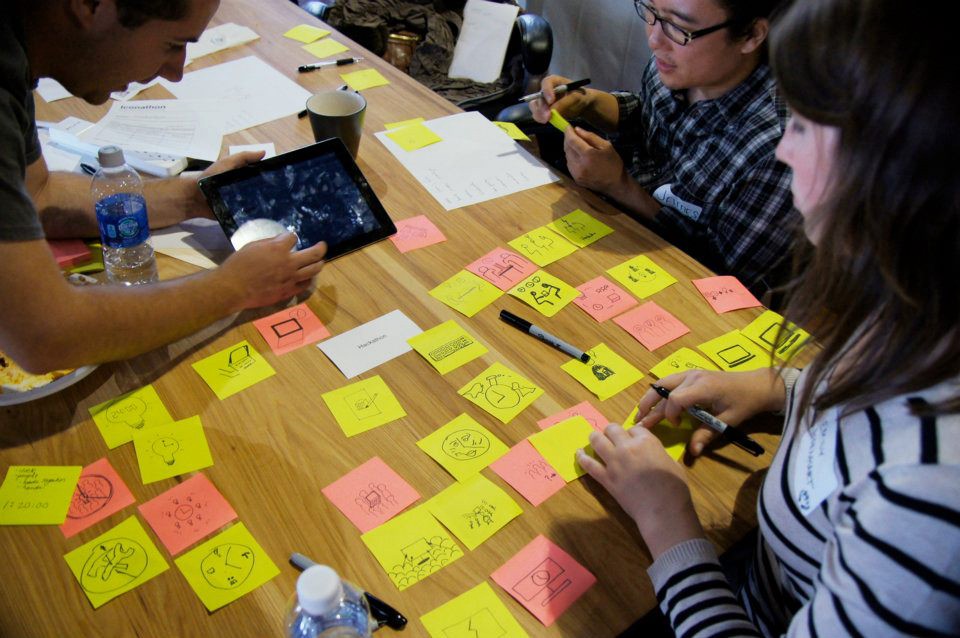
The Noun Project – a crowdsourced library of icons available for free on the website NounProject.org – has partnered in 2011 with Code for America to offer “Iconathons” and “Icon Camps”. “Traveling through six U.S. cities, Noun Project founder Edward Boatman conducted daylong workshops bringing together designers, civic leaders, and city staffers to design new urban symbols”.
Our Iconathons are a series of design workshops, and their goal is essentially to create civic-minded symbols for the public domain. What we do is run a group design workshop, where we invite designers, subject matter experts, and citizens who really care about their environment and their community. So we invite citizens into this process who have no design experience.
What’s great is that non-designers can really add value to this process. We keep the execution level just to pencil and paper. Keeping it to a pen and paper, it’s all about ideas. We design these symbols in a group, and we talk about which symbols best communicate certain concepts. Then after the event, I work with a series of graphic designers to take those sketches and turn them into vectors. With this process we’ve produced about 55 symbols to date.
Last year we held them Los Angeles, San Francisco, New York, Chicago, and Boston, and each Iconathon had a different theme. The Los Angeles one was food policy. The L.A. county food policy heads came to the Iconathon, and they really helped inform the process by telling us: This how the symbols could be used. This is why they’re powerful tools. This is how they help solve problems. They really helped inform the process.
Iconathon participants brainstorming
Read a report by Kat Lau, intern at the San Francisco Office of Civic Innovation in 2012.
Also featured in Ellen Lupton’s “Type on Screen”:
In Baltimore a team of designers from MICA paired up with city leaders to create icons focusing on food, health and community.
Ask the students to take part in the IxDA Student Design Charette.
The term “charette” evolved from a pre-1900 exercise at the Ecole des Beaux Arts in France. Architectural students were given a design problem to solve within an allotted time. When that time was up, the students would rush their drawings from the studio to the Ecole in a cart called a charrette. (…) Today it refers to a creative process akin to visual brainstorming that is used by design professionals to develop solutions to a design problem within a limited timeframe.
2022 brief:explore how rethinking systems can enable cultures of inclusion and equity “You are challenged to select either education or the workplace as a focus, identify interesting or provocative use cases, and propose new systems to address a barrier that your use case illustrates. (…) Design an experience (it can be a product, service, or program) that illustrates for the SDC judges and IxDA community how someone’s life can be impacted positively by the shift in your new system. The goal is less about solving a specific problem and more about proposing how to address biases, assumptions, and barriers that marginalize participation and inclusion.” https://www.sdc.ixda.org/design-brief-22
2021 brief:Our Data and Global Wellbeing “How might we achieve greater collective wellbeing through the power of our individual data? What might data about us, as individuals, contribute as part of global initiatives for the good of society? You are challenged to explore issues of global health and wellbeing, identify interesting or provocative use cases, and design for the outcomes our 21st century world demands, through transparent, empowered, participation with data.” (source)
Video of the 2021 design charette, the topic: “Our Data & Global Wellbeing”. The winning team, PulseAir, decided to focus on the negative health effects of air pollution.
The 2020 brief, sponsored by Amazon Design: Using voice to create empowering moments “How might voice experiences improve the lives of people facing unique challenges? More specifically, how can Alexa better address the needs of the deaf, blind, disabled, or neuro-diverse? We want to hear your ideas for new devices or services that can empower those who may need it the most”. (source)
The 2019 brief, sponsored by Microsoft Design, on the theme of Empathy: “Design an experience (this can be a product, service, or program) that allows (…) to better understand a day in the life of someone with misunderstood or ignored differences” (source)
The 2018 brief, sponsored by Microsoft Design, focuses on one of the United Nations’ 17 Sustainable Development Goals: “Quality Education”. (source)
The 2017 brief, sponsored by Intel, had the theme “Everyday Magic”. “We want you to look at the everyday life that surrounds you and how, through design and the creative use of new technologies, you can make it a magical”. (source)
The 2016 brief, sponsored by SapientNitro and written by Daniel Harvey, had the theme: “The Future we deserve”. “Each day of our lives, we depend on services — from buses to traffic systems, sanitation to healthcare — to survive and thrive in the places we live. What would five years look like, if you could shape public services by tapping the opportunities we have at our disposal today that we wouldn’t have been able to achieve in the past?” (source)
The 2015 brief had the theme “Envisioning the Wearable City”: “What if you could imagine new ways for people to connect to their city through wearable technology — to improve their life and their city? What would you measure or share? What problems would you solve? What new relationships between you and your environment would you facilitate?” (source)
The 2014 challenge had the theme of “child health records”.